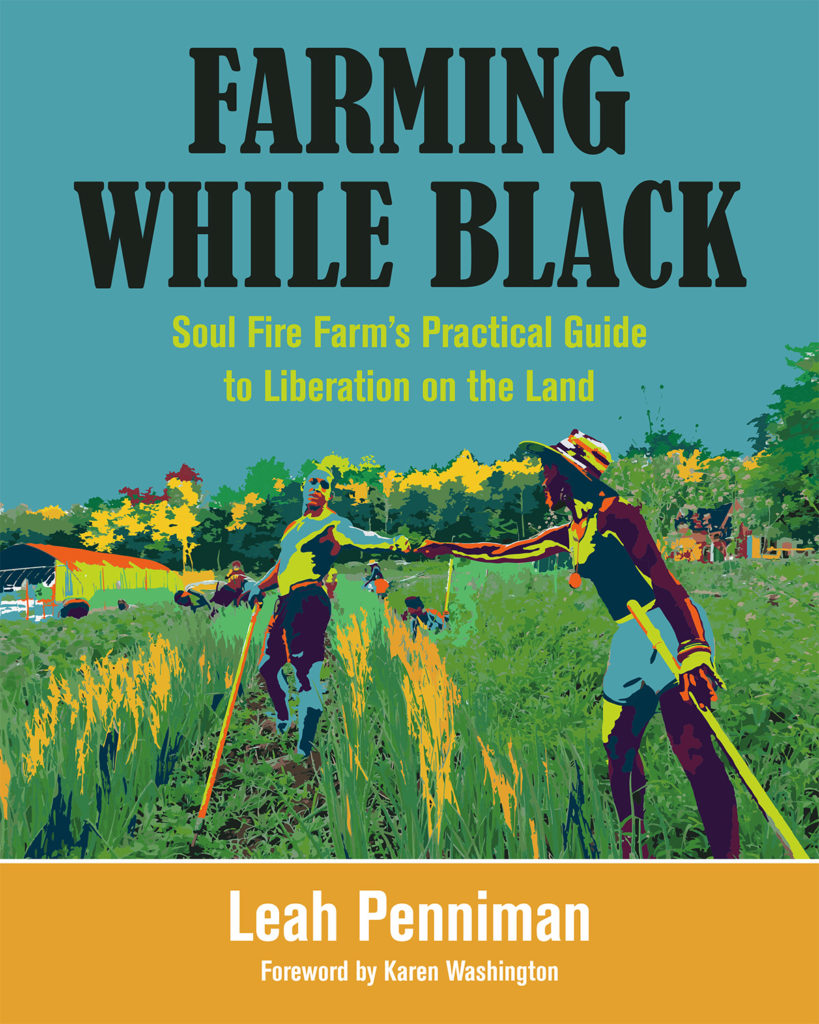
Farming While Black is the first comprehensive “how to” guide for aspiring African-heritage growers to reclaim their dignity as agriculturists and for all farmers to understand the distinct, technical contributions of African-heritage people to sustainable agriculture.
This is a truly epic piece of work which includes some compelling history lessons alongside being a cultural and practical manual for acquiring, working and thriving on the land in America. There is so much to learn here for land workers of colour as well as white people on an anti-racism journey.
We have included some of the things we learned from this book into recent performances of the show.
If you don’t want to dive straight into the book, Leah Penniman’s podcast with Farmerama is a good place to start or one of these blogs:
“In 1910, one in seven farmers were African-American and held titles to approximately 16-19 million acres of farmland. Over the next century, 98% of Black farmers were dispossessed through discriminatory practices at the USDA and various federal farm programs. These farmers were often denied loans and credit, lacked access to legal defense against fraud, and experienced “outright acts of violence and intimidation” resulting in a 90% loss of Black-owned farmland in the US.
Today, 98% of private rural land is owned by white people, while less than 1% is Black-owned. The USDA’s systemic bias against Black and minority farmers “is well documented” and affirmed by the 2010 Pigford vs. Glickman class action lawsuit, which resulted in a $1.25 billion settlement. Black farmers continue to experience discrimination in access to credit, seeds, and other assistance, and face foreclosure at six times the rate of their White counterparts.”
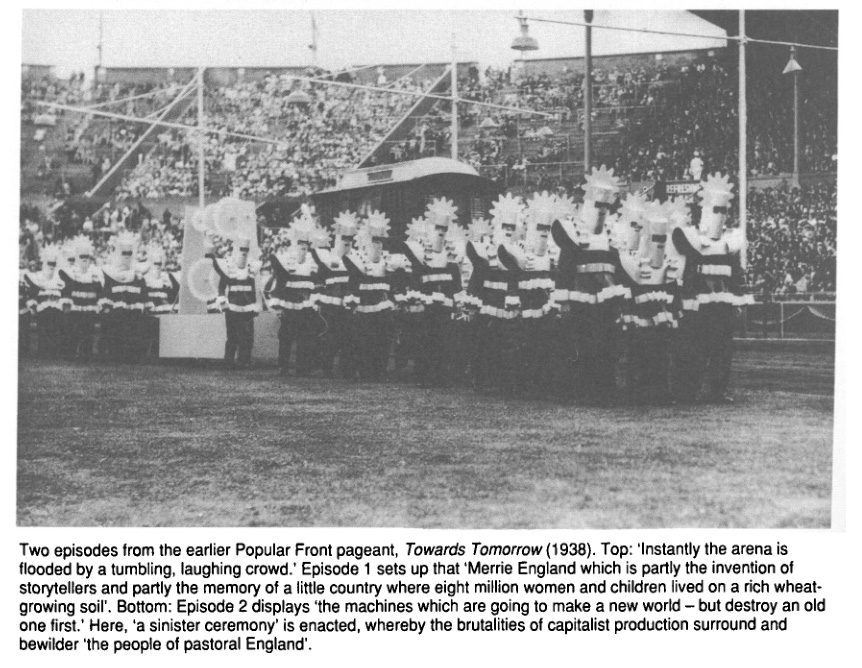
He came across an essay about a political pageant from the 1930s which has an interesting overlap with the structure of our show. The published essay is behind an academic paywall here but the author Mick Wallis has kindly provided his private copy of the essay which you can download from here if you don’t have an academic login to download from the link above.
Taken from the essay, here is the structure of a pageant performed to thousands of people in a stadium in the late 1930s:
Music and the People
Introduction
1. Feudal England. A canon from 1350; songs ‘that have lived in the peasant tradition for centuries, only lately collected because they were beginning to be forgotten’; a primitive fertility ritual dance; a Hebridean spinning song. (No dramatic action.)
2. The Massacre of the Innocents. Parts of two pageant-plays are performed, as if to the villagers: after the famous complaint from the Second Shepherds’ Play, Herod and the Innocents – ‘no doubt much of its popularity owed much to the memory of the massacres of their own people after the rising of 1381’; the song King Herod and the Cock in which ‘the invincible spirit’ wins against the oppressor; a choir of early Christians, following an introductory verse by Paul Robeson; and, since ‘the play’s not finished yet’ (i.e., of history) the Basque Lullaby.
3. Peasants in Revolt. A return to 1381: John Ball addresses the crowd; a signal arrives from him; the march on London, singing The Cutty Wren; Tyler’s meeting with Richard II, and murder (‘All words spoken in this scene, except for the commentary of the Speaker, are taken from authentic records’); all the men of the Mass Chorus (nine choirs) sing The German Peasants’ Song.
Interlude. ‘The ancient ritual carried on / And the forbidden message spoke’: members of the Woodcraft Folk ‘come on in small numbers, like conspirators, and perform the Stag-Dance’, part of the cult which was ‘the bond of unity between the harassed peasants’.
4. Soldiers of Freedom. Two Announcers briefly set the scene for 1649 (the episode is not concerned with celebrating Cromwell). ‘One king may be dead, but who still owns the land? Six Levellers and the actor-singer Parry Jones sit at tavern tables and sing; an Announcer recounts their talk as they remain in tableau; a group of dancers; some Diggers brought on in ropes by soldiers; an Announcer hails them in verse while the soldiers order drinks; the Diggers sing Stand up Now.
5. Village Green to Concert Hall. Announcer’s verse reports the break-up of rural communities and the appropriation of their culture by bourgeois institutions; ‘A group of dancers enters and performs to the tunes from which The Beggar’s Opera was concocted. At the end of their dance, a proscenium arch appears over the platform, and a scene from the play is performed to the dancers as audience.
Interval
6. Changing Europe. 1792. French revolution, singing the Carmagnole, verses 1 and 2, dressed as French peasants of 1790
7. Prisoners. ‘Ludwig van Beethoven descends from rostrum’; ‘But who are these / In modern clothes appearing / Their haggard eyes / The brand of torture like a web of scorpions wearing?’; prisoners from the Nazi concentration camps enter and sing the Peat-Bog Soldiers’ Song.
8. Slaves. ‘Following this train of thought’, John Payne and his Negro Choir enter as slaves, singing a chain-gang song, a cotton-picking song, and some ‘songs of freedom, led by one of the foremost champions of freedom’, Paul Robeson’.
9. The People Advance. As Robeson’s Kneelin’ Low ends, the Mass Chorus sings the Chartist We’re Low and the Speaker takes up a prose narrative to take us forward to trade unionism – ‘To every trade its club, to every club its song’ – and ‘the Trades Unionists sit round a table and sing their song’ (unspecified), ‘the verse sung solo’; ‘the tide rose apace’, and in a few sentences taking in the Co-operative Movement, the Speaker takes us to the late 1880s – a crowd headed by William Morris enters, singing People of England; the Speaker relates the killing by the police of the demonstrator in Trafalgar Square in 1880, and William Morris gives his famous ‘Not one, not one, nor thousands must they slay’; the Chorus marches off to the Russian 1905 Funeral March, ‘that now commemorates all those who have fallen in the fight for freedom’.
The Speaker makes a summation in verse of the Pageant, and reflects on its meanings for us now:
And having present struggles and despairs Sharp in our minds, remember too The past whose urgent influence prepares The issues of today, and know that you By today’s action map the future’s road…. Never so needed was that single will That unity of the people, to fulfil The claim for freedom, and to ensure our peace… It is time we answered, as they answer now In Spain, in China, in every tortured land…. Let our song rise whose simple power Can flood the boundaries that divide us still And make our common hope, our single will.
Then a procession of groups: Christian Hymn; Levellers’ Song; Marseillaise; People of England; ‘Bandera Rossa’ ; German Solidarity Song; Chinese Student Song; Spanish National Anthem; (and now not representations but actual) veterans of the International Brigade led by Fred Copeman; the Negro Choir. Paul Robeson sings The Land of Freedom, ‘the great song of liberated Soviet humanity’, with the Acting Chorus (twelve choirs); Tom Mann, the Dean of Canterbury, and Fred Copeman speak briefly on the theme ‘Music and the People’ . Finally, all (audience included) sing the American Men Awake! the Day is Dawnin
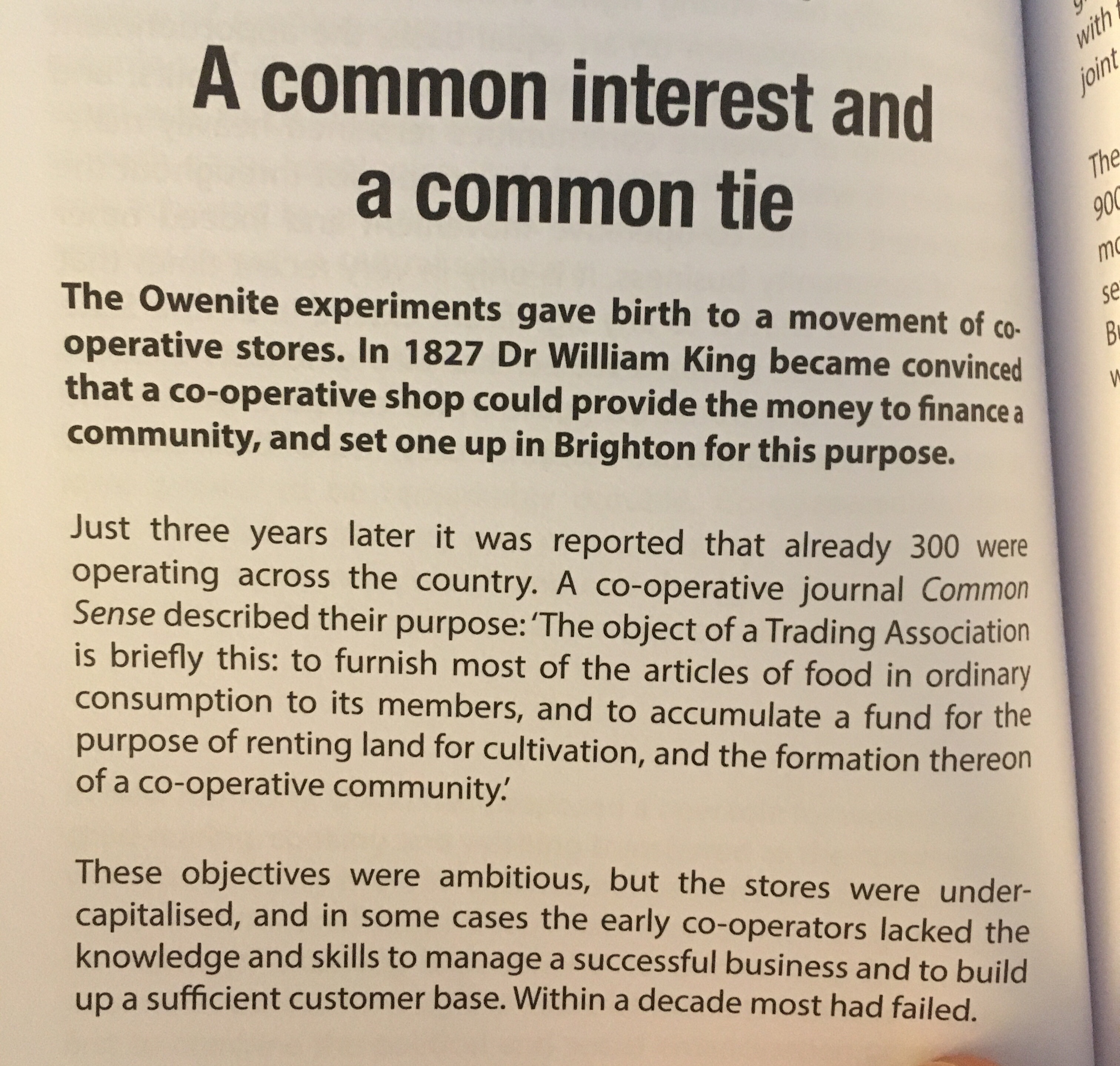
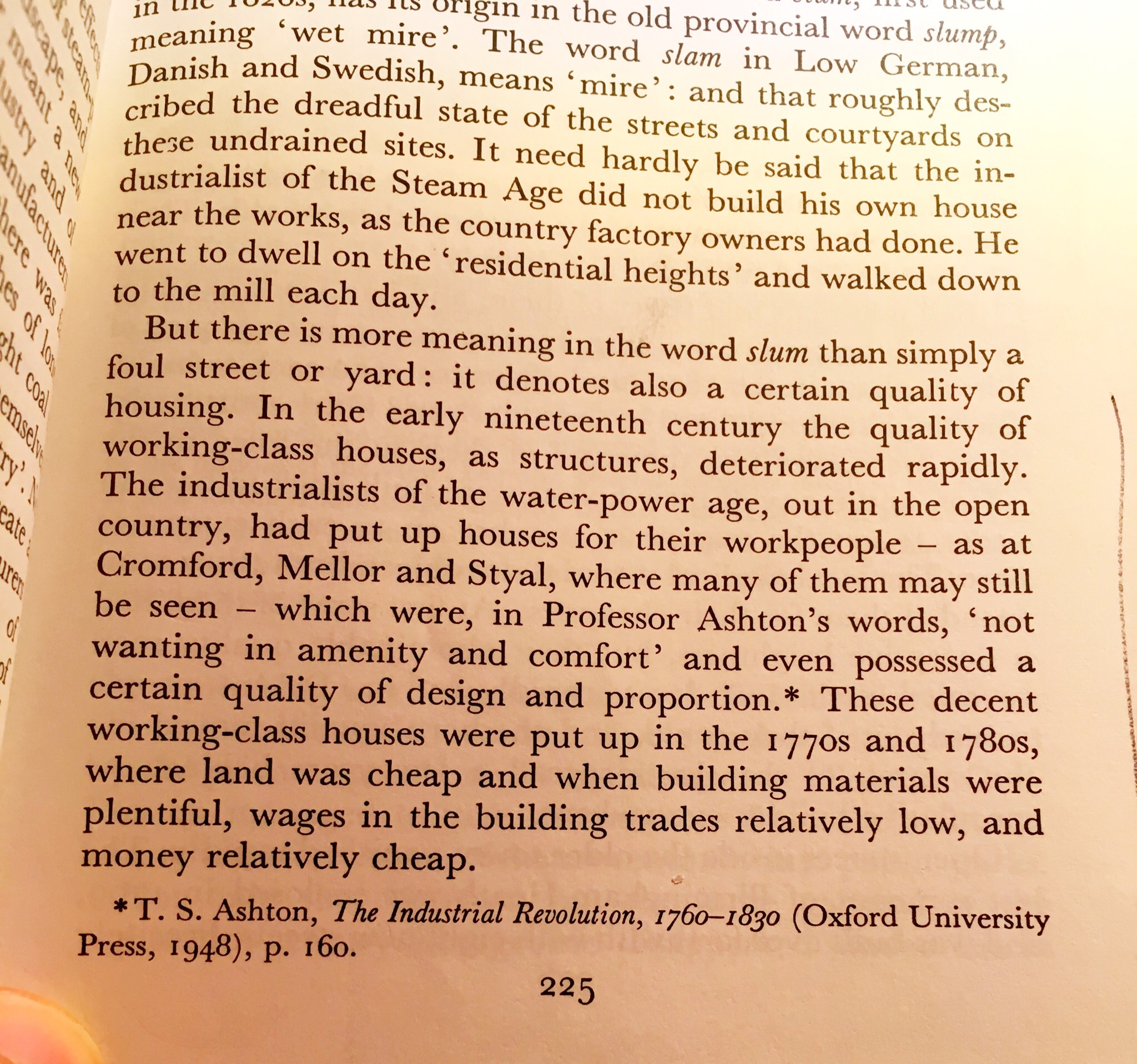
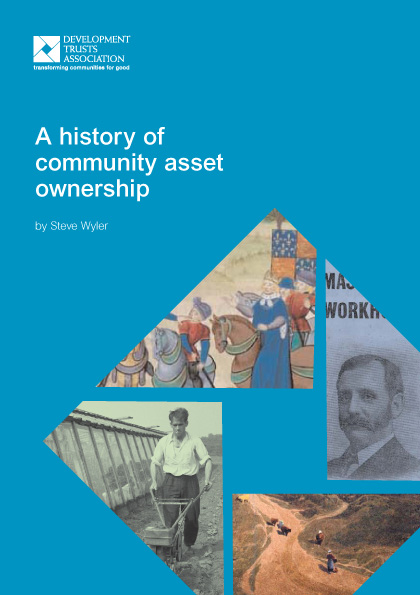
The above (from page 73) is a good example of how strong the connection was between the foundations of the coop movement and the desire of people to be free of hideous urban slum conditions and return to a rural agricultural existence.
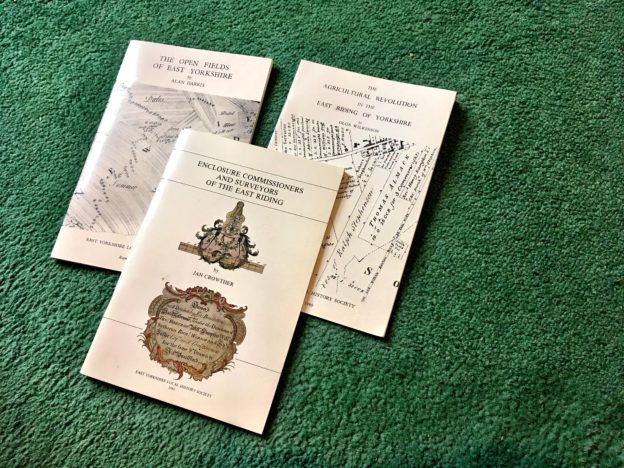
I’ve just finished reading these three excellent booklets about enclosure and the open field system in East Yorkshire… Two were written in late 1950s and the third in the mid eighties. All were thoroughly researched, succinct and insightful.
This article provides a nice example of how we are conditioned to think in a certain way from the youngest age! Greedy factory owner vs the workers and the king has to intervene…
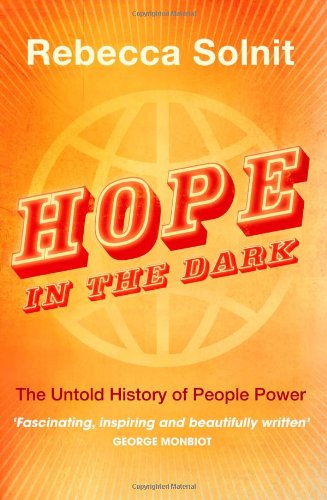
“Changing the story isn’t enough in itself, but it has often been foundational to real changes. Making an injury visible and public is usually the first step in remedying it, and political change often follows culture, as what was long tolerated is seen to be intolerable, or what was overlooked becomes obvious. Which means that every conflict is in part a battle over the story we tell, or who tells and who is heard.” Rebecca Solnit
I have yet to read this book but have it on authority that it will blow my socks off so I thought I might take the step of telling you all about it asap as my backlog of books is somewhat chronic as of late!
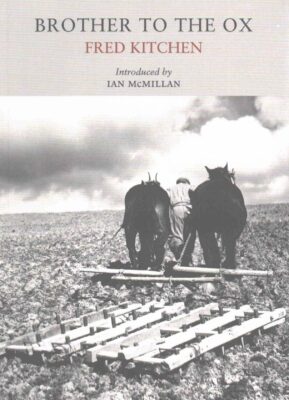
This book is a stunning and gentle insight into being a farm labourer just as the railroads arrive. I read it ages ago then recently picked it up again and found I couldn’t stop myself from rereading the whole book, it was just so enjoyable to turn the pages and spend time with Fred Kitchen.
Little Toller books recently did a reprint of Brother to the Ox, which is already out of print but you can find them 2nd hand online for around the £10-15 mark fairly regularly.
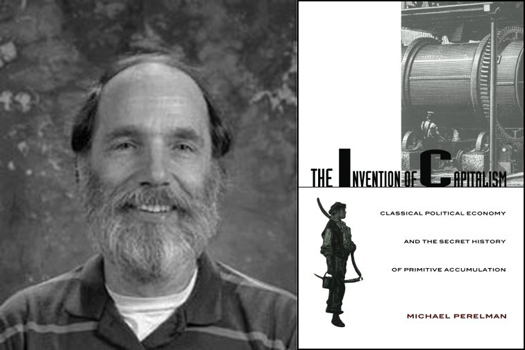
I’d love to say I’ve read this but it would be a lie – the book review which the below quote came from gave me an excellent overview though! If any of you feel inclined to give it a read, please do let me know if you enjoy it. You can download a pdf of the book here.
This book explores the many different policies through which peasants were forced off the land—from the enactment of so-called Game Laws that prohibited peasants from hunting, to the destruction of the peasant productivity by fencing the commons into smaller lots—but by far the most interesting parts of the book are where you get to read Adam Smith’s proto-capitalist colleagues complaining and whining about how peasants are too independent and comfortable to be properly exploited, and trying to figure out how to force them to accept a life of wage slavery. (from good book review which is a useful essay in itself)
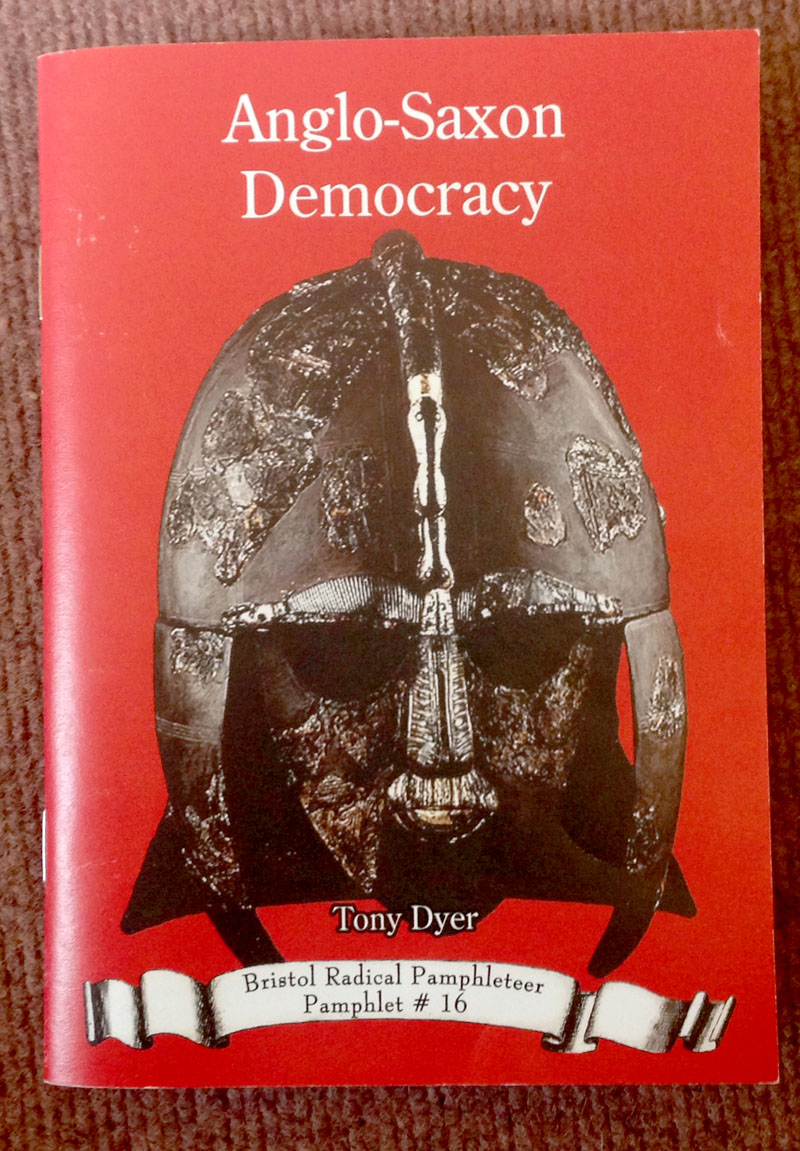
I have been really enjoying reading a number of pamphlets which I picked up recently from ‘Bristol Radical History Group‘ who seem to do a lot of great work down in the south west.
This one on Anglo-Saxon Democracy is of particular interest, although there are many others which I will write up at some point soon.
These few paragraphs are good food for thought, the italics in the last paragraph are mine:
———————————-
The Rise of the Church
If the major cause of the retreat of Anglo-Saxon democracy is the increasing use of charters to create bookland beyond the control of the local courts and thus the local community then it also has to be accepted that the use of charters to gain rights and privileges at the expense of the local populace was first introduced by the Roman Catholic church and all of the charters of pre-Conquest England were denrived from the form of the private charter of the later Roman empire. Continue reading →
255-7 THE END OF SUMMER KENT BERKSHIRE — HAMPSHIRE SUSSEX THE FAIR
The road mounts the low Downs again. The bound-less stubble is streaked by long bands of purple-brown, the work of seven ploughs to which the teams and their carters, riding or walking, are now slowly descending by different ways over the slopes and jingling in the rain. Above is a Druid moor bounded by beech-clumps, and crossed by old sunken ways and broad grassy tracks. It is a land of moles and sheep. Continue reading →
I’m only a little way into this book but am already enjoying it thoroughly. Highly readable and informative.
It brings a global perspective to the story and compares what happened in England, Ireland, Wales and Scotland with other European countries and those further afield.
The Making of the English Working Class
by E.P. Thompson
Considered a definitive text for many years this book is dense, academically rigorous and utterly superb.
I needed a dictionary, wikipedia and a notebook to get myself through the first quarter but once up to speed with the authors style and concepts, it was as compelling a read as I have ever had.
This book has the advantage of being widely respected across all academic and historical fields in a manner which some of the other books I have read are not.
The full title is ‘The Painful Plough: A Portrait of the Agricultural Labourer in the Nineteenth Century from Folksongs and Ballads and Contemporary Accounts’ which pretty much does the job.
It tells the story of Joseph Arch, a farm labourer who went on to start one of the first agricultural labourers unions and eventually to become an MP.
A superb piece of work and a huge source of inspiration for the concept of the show ‘Three Acres And A Cow’.
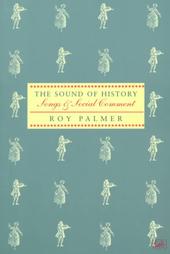
Roy Palmer has spent much of the last thirty years hunting for ballads and using them to weave together a people’s history of England. He has mastered the art of this in a number of excellent books of which this is a great starting point.
This book is utterly superb and should be bought without hesitation. Each song has a melody and words, along with a page or two giving its historical context.
This is an amazing book. Not specifically about land but it has a chapter on the topic.
I cannot stress enough what a legend this man and his writings are. This is not the first book of his you should read but it is certainly one you want on your reading list.
The definitive book on land both past and present, although it has sadly not been updated since the 80’s.
It gets a bit heavy going in places but the first third, which is a history from Roman times to the present, is totally gripping and a must read for anyone interesting in land and land rights.
I had to take quite a few breaks whilst reading it as sections of it made me really angry and/or sad.
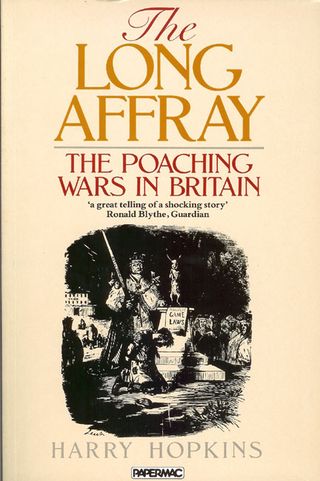
The Long Affray: The Poaching Wars in Britain
by Harry Hopkins
Published in 1985, this life changing book was given to me by Sam Lee.
“A beautiful telling of the age-old battle between peasant and landowner where for the price of a rabbit or a pheasant men were murdered, transported as convicts and executed.
This ancient struggle over game was not just about food for the poor poachers and their families, it was about social rank and the power of the landed gentry, the burgeoning class politics of the time and the harsh realities of rural life.”
 Some good stuff in these PDF’s by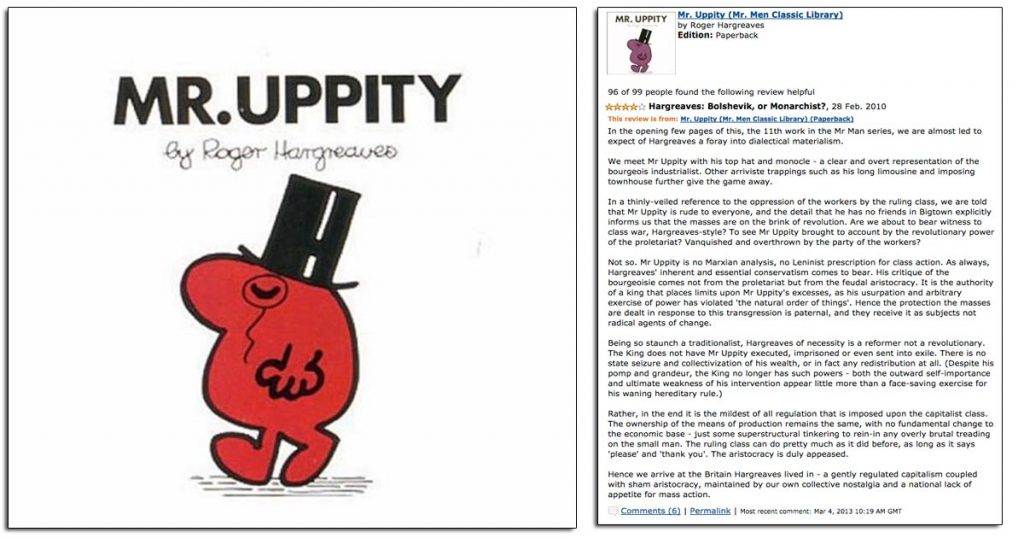
 This book is a stunning and gentle insight into being a farm labourer just as the railroads arrive. I read it ages ago then recently picked it up again and found I couldn’t stop myself from rereading the whole book, it was just so enjoyable to turn the pages and spend time with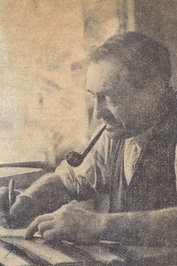
 I have been really enjoying reading a number of pamphlets which I picked up recently from ‘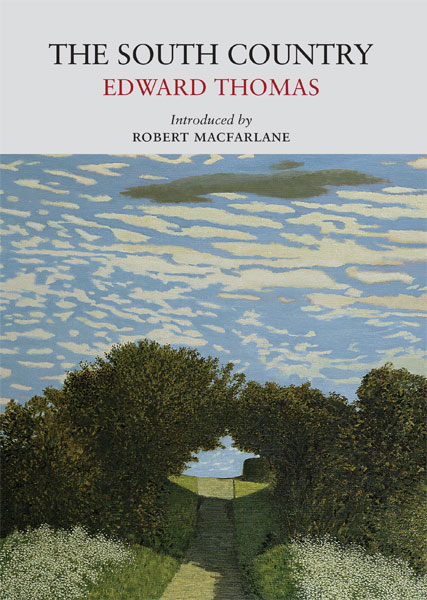
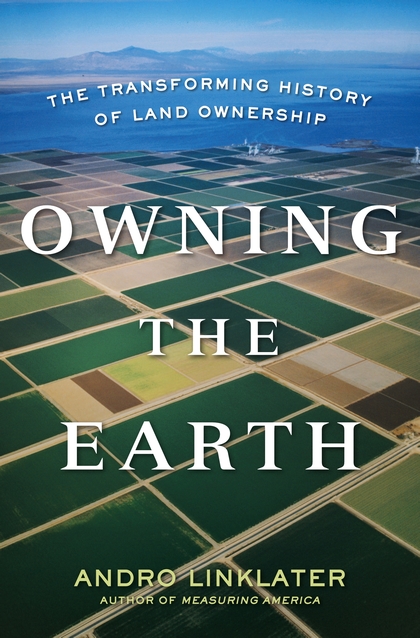 Owning The Earth
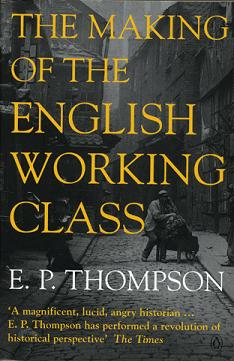 The Making of the English Working Class
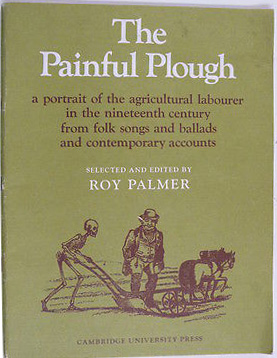 The Painful Plough
 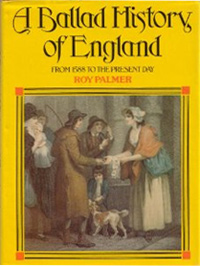 A Ballad History of England
 The Sound Of History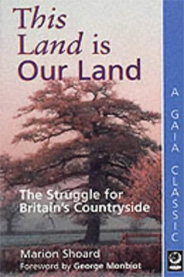
You must be logged in to post a comment.